
The holiday season often brings a surge in community events, charity drives, and other volunteer activities. While giving back feels uplifting, it also comes with risks: according to the U.S. Consumer Product Safety Commission, there are approximately 160 decorating-related injuries each day during the holiday period, and nearly half of those involve falls.
So, what happens if you’re injured while volunteering, say, at a food drive or a holiday festival? What are your volunteer injury rights, and can you sue if you get injured volunteering? We’ll walk through how holiday injury claims typically work, who may be liable, and what steps to take, all without discouraging the spirit of giving.
Understanding Volunteer Roles During the Holidays
During the holiday season, volunteers are the backbone of many community efforts. You might find yourself helping out in:
- Charity runs or holiday 5Ks
- Food or toy drives
- School or church holiday events
- Seasonal festivals or markets
- Traffic or parking support for large gatherings
These opportunities to serve are meaningful and important. This blog isn’t here to scare you away from volunteering, quite the opposite! We always encourage the spirit of celebrating and sharing, and also explain what legal protections are in place when accidents happen.
Common Ways Volunteers Get Injured
Volunteering often involves physical tasks or public-facing duties, which means there are real risks. Some of the most common ways volunteers get injured include:
- Slips and falls, especially on uneven ground or freshly installed decorations
- Lifting heavy boxes or equipment (for example, moving donated toys or food)
- Traffic-related injuries, such as while directing cars or shuttling people
- Weather-related hazards, like snow, ice, or wet surfaces
- Falling decorations or event equipment, especially if not properly secured
- Animal-related incidents, for pet adoption or charity pet events
These risks aren’t about blaming the organizations; they’re just realistic. Knowing the hazards helps both volunteers and organizers be safer.
Can Volunteers Sue If They Are Injured?
Many organizations carry volunteer liability insurance, which can provide coverage if someone gets hurt while helping at an event. In some situations, volunteers may even be treated as unpaid workers under certain liability laws, which gives them additional protections. And if an injury occurs because of negligence, volunteers may have the right to pursue a personal injury claim, even though they were not being paid for their time.
Volunteers don’t automatically waive all rights just because they choose to help. When injuries happen due to preventable hazards, volunteers may be eligible for support, medical coverage, or other forms of compensation.
When a Volunteer Injury May Involve Negligence
When an organization overlooks safety issues, an ordinary accident can turn into a preventable injury. These situations may involve negligence, especially when the risk could have been easily fixed with proper planning or precautions. Some of the most common examples include:
- Walkways or paths are poorly maintained, icy, or not clearly marked.
- Safety instructions or equipment (like gloves, ladders, or vests) are not provided.
- Dangerous traffic areas (where volunteers are directing cars) lack proper supervision or traffic control.
- Decorations, lighting rigs, or event structures are not properly secured.
- Areas are overcrowded or not monitored, creating a risk for trips, falls, or other incidents.
- Known hazards (like a broken step or exposed wiring) aren’t addressed.
This doesn’t necessarily mean that organizations are careless; holiday events can be hectic, and safety matters for everyone involved.
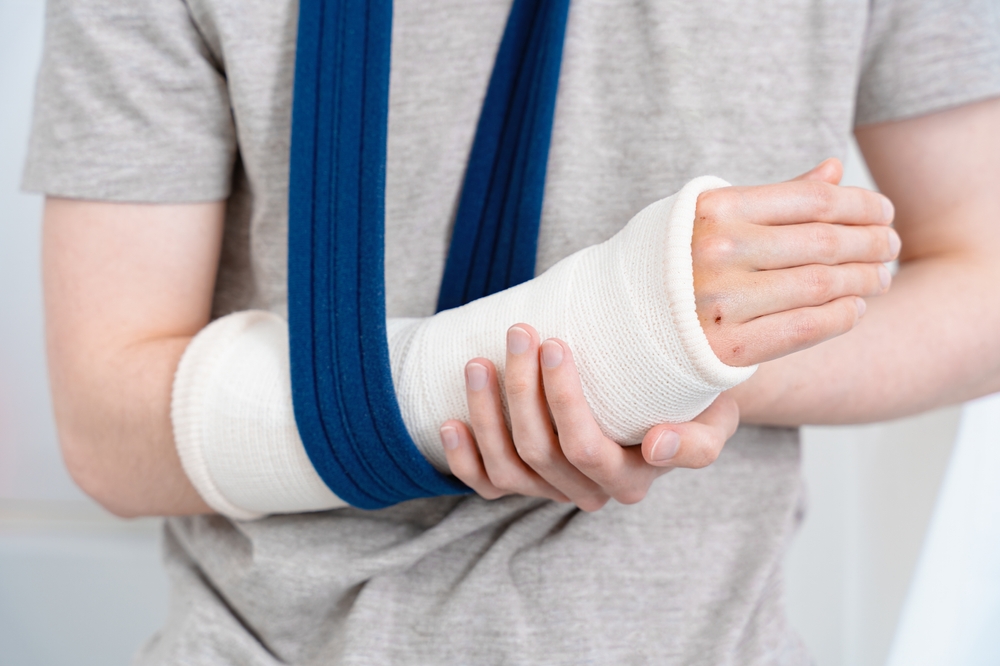
What to Do Immediately After a Volunteer Injury
If you do get injured while volunteering, here are clear, practical steps to take , both for your health and for any potential claim:
1. Report the Incident
Notify the event organizers or your volunteer supervisor right away so the injury is formally documented.
2. Document What Happened
Take photos of the scene, note any hazards, and gather witness names if possible.
3. Seek Medical Care
Get checked by a medical professional, even if the injury seems minor. Documentation is important for both health and claims.
4. Ask About Volunteer Insurance
Find out whether the organization carries volunteer or event insurance that may apply to your injury.
5. Do Not Admit Fault
Avoid apologizing or taking blame. Even casual comments can be misinterpreted later.
6. Keep Copies of All Records
Save incident reports, emails, forms, and any communication related to the injury. These documents can be important if issues arise later.
Who Might Be Legally Responsible?
Liability depends on the situation, but potential responsible parties include:
- The hosting organization, especially if they failed to keep things safe.
- A third-party contractor, such as a company hired to set up stages, lighting, or decorations.
- A property owner, if the event is on private property.
- A negligent driver, especially in cases of traffic-related injuries, while volunteering in parking or traffic control.
Each situation is unique. This is why speaking with an attorney can clarify whether the situation might involve a public liability premises liability lawsuit or another type of claim.
Does a Waiver Prevent Me From Filing a Claim?
Many volunteer events require participants to sign a waiver, but signing one doesn’t automatically eliminate your right to pursue compensation. A waiver of liability can limit certain claims, but it does not grant organizations complete protection, especially if unsafe conditions or negligence contributed to your injury.
In other words, even if you signed a waiver, you may still have options depending on what caused the accident and whether reasonable safety measures were overlooked.
When to Contact a Personal Injury Attorney
You might want to reach out to a personal injury attorney if:
- Your medical bills are growing, or there’s a risk of long-term care.
- The organization refuses to take responsibility or downplays the injury.
- Insurance claims are denied, delayed, or undervalued.
- Your injury causes lost income, chronic pain, or inability to volunteer (or work).
These situations may eventually require a personal injury lawsuit settlement. If you’re unsure where to start, an experienced attorney can review your situation, explain your rights, and help you decide what to do next.
Injured While Volunteering? You Don’t Have to Navigate This Alone
You can still support your community while protecting your rights. If you were injured while volunteering during the holidays, Matt Dion & Associates is here to answer your volunteer injury rights questions and help you understand your options. Contact us today for a free consultation
Frequently Asked Questions
Can I sue if I signed a volunteer waiver?
While waivers limit liability, they don’t automatically block all legal claims, especially if there was negligence or unsafe conditions.
Does the organization’s insurance cover volunteers?
Many nonprofits carry policies that include volunteer liability, but it depends on the organization and the event.
What if a driver hits me while I’m volunteering?
If a driver was negligent, for instance, running a stop sign while you’re directing traffic, you may have a claim against that driver or their insurer.
How long do I have to file a claim for a volunteer injury?
It depends on your state’s statute of limitations and the type of claim. A personal injury attorney can help you understand the deadlines in your area.