

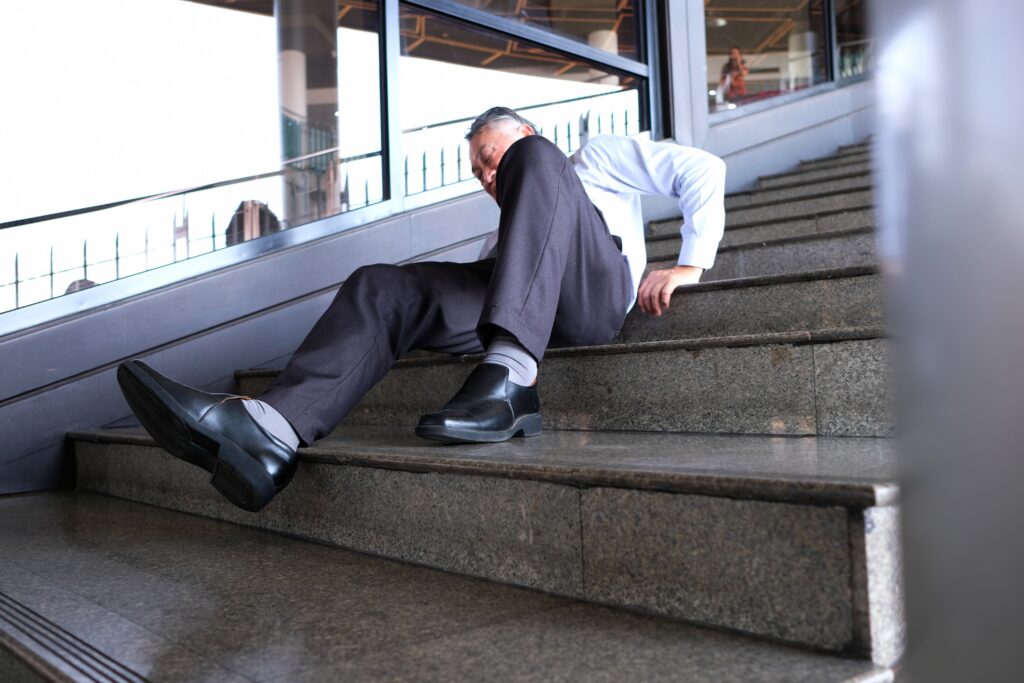
A slip and fall injury can happen almost anywhere, from grocery stores and parking lots to apartment complexes and office buildings. While some falls result in minor injuries, others lead to serious medical complications, lost income, and long-term pain and suffering. One of the most important questions after a fall is determining who may be held liable for the hazardous conditions that caused the incident.
Under Nevada premises liability law, property owners and others responsible for maintaining a property may be legally obligated to keep visitors reasonably safe. However, proving slip and fall liability is rarely straightforward. Liability often depends on who controlled the property, whether the dangerous condition was known, and whether reasonable action was taken to correct the hazard or provide warning signs.
Understanding Nevada Premises Liability Laws
Nevada premises liability laws establish the responsibilities property owners and occupiers have toward people entering their property. These cases often focus on whether hazardous conditions existed and whether reasonable steps were taken to prevent injuries.
The Legal Duty of Care Owed to Visitors
Property owners are generally expected to maintain reasonably safe conditions for lawful visitors. This includes addressing hazards such as wet floors, broken steps, uneven walkways, poor lighting, or unsafe surfaces that could create foreseeable risks for an injured person.
Invitees vs. Licensees: How Visitor Status Affects Your Case
A visitor’s legal status can affect how liability is evaluated in a premises liability claim. Invitees, such as customers entering grocery stores or businesses, are typically owed the highest duty of care. Licensees, including social guests, may receive more limited legal protections depending on the circumstances surrounding the fall.
Determining Who Is Liable for Slip and Fall Accidents
Determining who is liable for slip and fall accidents requires understanding who controlled the area where the incident occurred. In some cases, responsibility may involve multiple individuals or entities:
- Property owners and occupiers may be held liable when they fail to correct dangerous conditions within a reasonable timeframe. This can include failing to repair damaged flooring, remove hazards, or provide adequate warning signs to visitors.
- Commercial businesses, landlords, and tenants: Liability can become more complex in commercial properties or rental spaces. Landlords may control shared areas such as stairwells, sidewalks, or parking lots, while tenants are often responsible for maintaining the interior of their rented spaces safely.
- Government entities and third-party maintenance companies: Government agencies and maintenance contractors can also share responsibility in a Nevada premises liability case. If outside companies were hired to clean, repair, or maintain the property, their actions may become part of the liability investigation.
The Key Elements to Prove Slip and Fall Liability
Successfully pursuing a slip and fall claim requires proving more than simply showing an injury occurred. Evidence must demonstrate that negligence contributed directly to the dangerous condition and resulting harm.
Establishing Actual vs. Constructive Notice
One of the most important legal questions is whether the responsible party knew about the hazard. Actual notice means the owner directly knew about the dangerous condition. Constructive notice means they should have discovered it through reasonable inspections or maintenance procedures.
Linking the Dangerous Condition to Your Injuries
Medical records, photographs, witness statements, and incident reports can help connect the hazardous condition to the injuries suffered. Without clear evidence, insurance companies may dispute whether the fall directly caused the claimed injuries.
How Slip and Fall Fault Is Evaluated Under Comparative Negligence
Nevada follows a modified comparative negligence system, meaning fault can be shared between multiple parties involved in a slip and fall case. In many situations, insurance companies will attempt to argue that the injured person was partially responsible for the incident in order to reduce the amount they may have to pay.
Under Nevada’s comparative negligence rules, injured individuals may still recover compensation as long as they are not found more than 50% responsible for the fall, this is called the Nevada’s 51% Bar Rule. However, any compensation awarded may be reduced according to their percentage of fault.
Because of this, determining slip and fall fault often becomes one of the most heavily disputed parts of a premises liability case.
Common Hazards That Trigger Slip and Fall Liability
Many slip and fall accidents occur because dangerous conditions were not corrected promptly. Common hazards include:
- Wet floors
- Uneven sidewalks
- Broken handrails
- Loose flooring
- Poor lighting
- Damaged stairs
- Unmarked elevation changes
- Debris left in walkways or parking lots
In some situations, the absence of warning signs may also contribute to liability.
Essential Evidence to Prove Nevada Premises Liability
Strong evidence is often the deciding factor in premises liability claims. Acting quickly after a slip and fall accident can help preserve important documentation before it disappears. Evidence commonly used in these cases may include:
Security Footage and Official Incident Reports
Surveillance footage can provide critical proof showing how the incident occurred and how long the hazard existed. Incident reports created by businesses or property managers may also help establish notice and document the dangerous conditions involved.
Eyewitness Statements and Medical Records
Witness statements may confirm the presence of hazards or explain how the incident happened. Medical records are equally important because they connect the injuries directly to the fall and help demonstrate the extent of treatment, recovery time, and long-term complications.
What Damages Can You Recover Once Liability Is Proven?
If liability is established, injured individuals may pursue compensation for a wide range of losses. Damages in a slip and fall case may include:
- Emergency medical care
- Physical therapy
- Future treatment costs
- Lost wages
- Reduced earning capacity
- Pain and suffering
The value of a claim often depends on the severity of injuries and their long-term impact on daily life.
Why You Need an Attorney to Prove Who Is Liable for a Slip and Fall
Proving slip and fall liability is often more difficult than many people expect. Insurance companies may argue that the hazardous conditions were obvious, that the injured person failed to act carefully, or that the property owner had no reasonable opportunity to correct the danger.
At Matt Dion & Associates, we help clients investigate Nevada premises liability claims, preserve critical evidence, and challenge insurance adjusters’ attempts to unfairly shift blame. Our team works to build strong claims focused on accountability, financial recovery, and protecting our clients’ long-term interests.
Frequently Asked Questions About Slip and Fall Liability
How long do I have to file a premises liability lawsuit in Nevada?
Nevada law limits the amount of time injured individuals have to file a premises liability lawsuit, and most claims are generally subject to a two-year statute of limitations from the date of the injury. Acting quickly is important because delays may affect your ability to preserve evidence, protect your rights, and pursue full compensation. Speaking with an attorney early can help you better understand your legal options.
What if the hazard was “open and obvious”?
Even if a hazardous condition appears visible, property owners may still have legal responsibilities under certain circumstances. Liability depends on factors such as whether reasonable precautions or warning signs were provided.
What should I do immediately after a slip and fall accident?
Seeking medical attention as soon as possible is recommended, reporting the incident to the property owner or manager, photographing the hazardous conditions, and gathering witness information whenever available. Preserving evidence early can play a critical role in strengthening a future slip and fall claim. If you are unsure what steps to take next, speaking with an attorney can help you better protect your rights and legal options.