

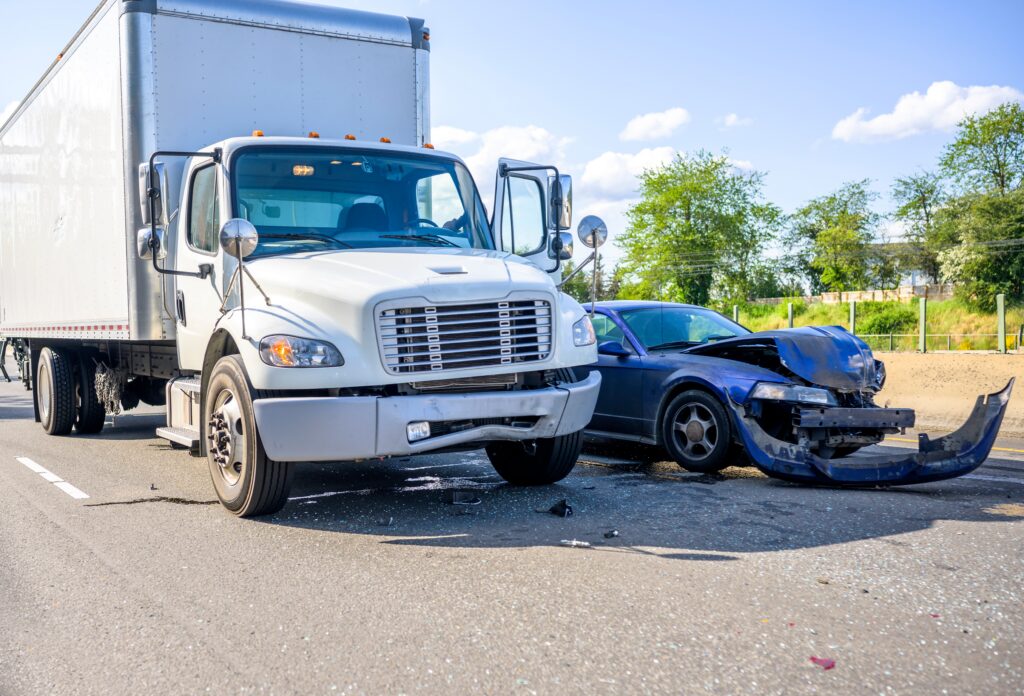
A car accident can happen in seconds, but the decisions you make immediately afterward can affect your health, finances, and legal A collision involving a tractor-trailer, delivery truck, or other commercial vehicle may look like a larger version of a car accident. In reality, the injuries, evidence, insurance coverage, and number of responsible parties can make the claim substantially more complicated.
For people hurt on Reno roads, understanding these differences is important before speaking with a trucking company or accepting an insurer’s explanation of what happened.
Understanding Why a Commercial Truck Accident Is Different From a Car Crash
Passenger-vehicle claims often focus primarily on the actions of the drivers. A trucking collision may require a broader investigation into the carrier’s safety practices, vehicle maintenance, cargo loading, and compliance records.
Severe Truck Accident Injuries: The Human Cost of High-Mass Collisions
Large trucks have operating limitations that include long stopping distances, wide turns, extensive blind spots, and limited maneuverability. When a smaller vehicle is struck, truck accident injuries may include brain trauma, spinal damage, fractures, internal injuries, burns, and lasting mobility problems. Recovery may require surgery, rehabilitation, time away from work, and ongoing care.
For that reason, a personal injury claim should account for more than the first medical bills. Future treatment, lost earning ability, pain, and long-term changes to a person’s independence may also require careful documentation.
Complex Liability: Who Is Liable in a Commercial Truck Accident?
Responsibility does not always stop with the driver. Depending on the circumstances and available evidence, potentially liable parties may include:
- The truck driver or motor carrier
- A maintenance or repair contractor
- A company responsible for loading or securing cargo
- A vehicle or component manufacturer
The key is determining how each party contributed to the collision rather than assuming a single insurance policy covers every loss.
Common Types of Truck Accidents on Reno Roads
The common types of truck accidents often reflect how large vehicles handle, turn, and respond to changing traffic. Construction zones, congested intersections, highway speeds, and difficult road conditions can add to these risks.
Jackknife Accidents and Loss of Control
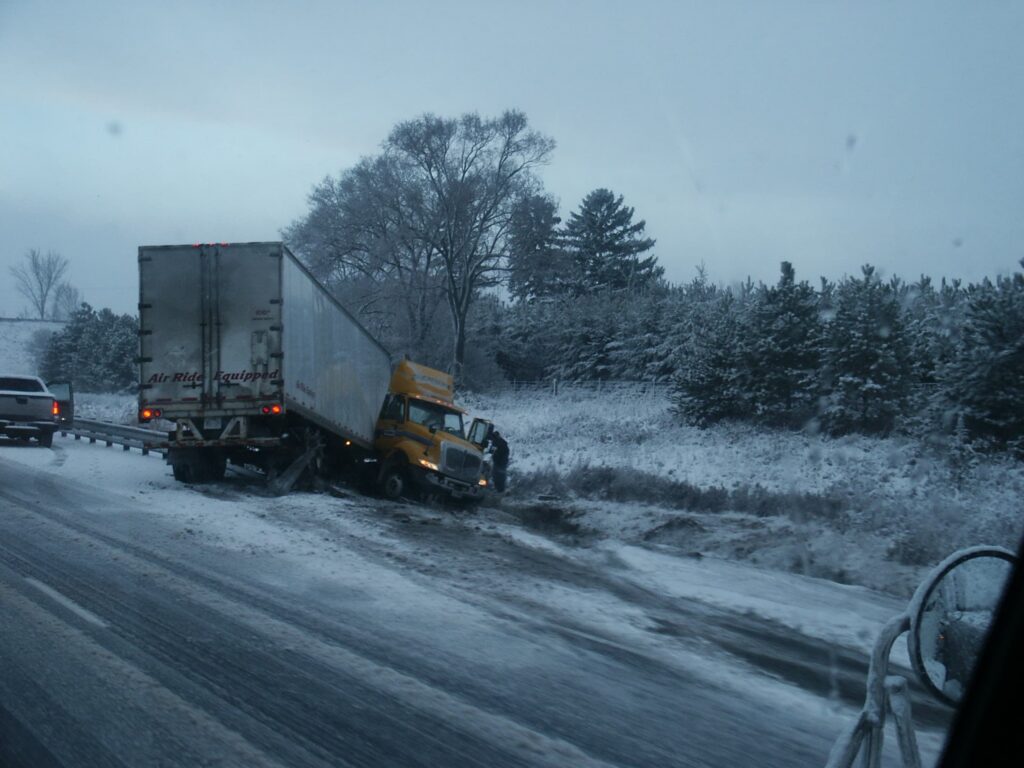
A jackknife occurs when a trailer swings outward and forms an angle with the cab. Sudden braking, excessive speed, poor traction, or improper handling may contribute to this loss of control, potentially blocking several lanes and striking multiple vehicles.
Blind Spot and “No-Zone” Collisions
Commercial trucks have extensive blind spots along both sides, directly behind the trailer, and near the front of the cab. Drivers must account for these areas before merging, turning, or changing lanes. A blind spot does not automatically excuse a crash; investigators should examine whether the driver checked surrounding traffic and used reasonable caution.
Underride and Rollover Accidents
An underride crash occurs when a smaller vehicle travels beneath part of a truck or trailer, creating a serious risk of catastrophic injury. Rollovers may result from excessive speed on a curve, an unstable load, an abrupt maneuver, or loss of control. Federal safety agencies recognize rear and side truck underride collisions as a significant roadway concern.
Key Factors That Make Commercial Trucking Claims Unique
Beyond the collision itself, trucking cases may involve records and safety standards that are rarely central to an ordinary car accident.
Federal Regulations and Industry Compliance Standards
Interstate motor carriers and many commercial drivers are subject to federal requirements covering hours of service, driver qualifications, vehicle inspections, maintenance, and cargo securement. Hours-of-service rules limit driving and on-duty time while establishing required rest periods intended to reduce fatigue.
A regulatory violation does not automatically establish liability. However, driver logs, inspection records, maintenance histories, and cargo documents may become important when the violation is connected to the cause of the accident.
The Role of Black Box Data and Electronic Logging Devices
Different electronic systems preserve different information. Electronic logging devices generally record driving time and duty status, while onboard vehicle systems may retain data involving speed, braking, engine activity, or other events.
Because this information may be overwritten, lost, or difficult to obtain later, prompt evidence-preservation requests can be an important part of investigating the crash.
Multiple Insurance Policies and Corporate Defense Teams
Insurance coverage may be carried by the driver, carrier, trailer owner, contractor, or another business involved in the operation. Meanwhile, trucking companies and insurers may begin investigating immediately.
Injured people should also preserve photographs, witness information, medical documentation, inspection records, and available electronic data. Having an attorney manage these issues can prevent someone from facing multiple insurers and corporate representatives without guidance.
Contact a Commercial Truck Accident Law Firm to Get a Consultation
After a serious truck collision, you should not have to determine liability or manage several insurance companies alone. Matt Dion & Associates can review the circumstances, identify evidence that may need to be preserved, and explain the options available for pursuing compensation.
Contact our Reno office for a free consultation. Early legal guidance can provide clarity, protect important evidence, and help you take informed next steps.